“I Am Free”: The Life, Legacy, and Spirit of Zorba the Greek
A Cretan Mantra for the World
There is a film and a melody known the world over that instantly conjures the spirit of Greece: Zorba the Greek. And at the heart of this timeless story lies one unforgettable line — a phrase that has become a global anthem for freedom:
“I hope for nothing. I fear nothing. I am free.”
The man behind the novel that inspired it all was more than an author — he was the voice of Crete’s unbreakable soul. Born in Heraklion in 1883, Nikos Kazantzakis left behind a legacy of words, spirit, and boundless rebellion.

The Man Who Gave Us Zorba
When director Michalis Cacoyannis adapted Zorba the Greek for the screen in 1964, he brought the story home — to Crete. The beach of Stavros in Chania, framed by dramatic mountains, became the iconic stage for Anthony Quinn’s famous Zorba dance, set to the music of Mikis Theodorakis.
But Zorba was no fictional creation. He was inspired by George Zorbas, Kazantzakis’ real-life friend and mining partner. Though their business venture failed, the friendship endured — and Zorbas left Kazantzakis with something greater than profit: a way of life. Raw. Passionate. Unafraid.

A Life of Words, Wandering, and Wisdom
Kazantzakis was more than a novelist — he was a philosopher, translator, traveler, and seeker. He translated Homer, Bergson, and Nietzsche. He wrote spiritual and political works, plays, travelogues, and his own modern sequel to the Odyssey — an epic poem of 33,333 verses, typed entirely by his wife, Eleni.
He traveled extensively — through Europe, Russia, China, and Japan — not for luxury, but to challenge his worldview. He believed travel stripped away inherited prejudice and opened the soul to truth.
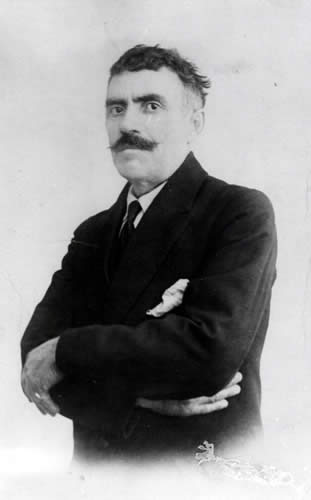
Kazantzakis on Film — and in Fire
His works went beyond Zorba. The Last Temptation of Christ was adapted by Martin Scorsese and Christ Recrucified became the film He Who Must Die. Though controversial — especially with the Church — Kazantzakis’ work pierced the human spirit.
“You have your brush, you have your colors. You paint paradise, then in you go,”
he once wrote. And he lived that way — daring to create and inhabit his own truth.
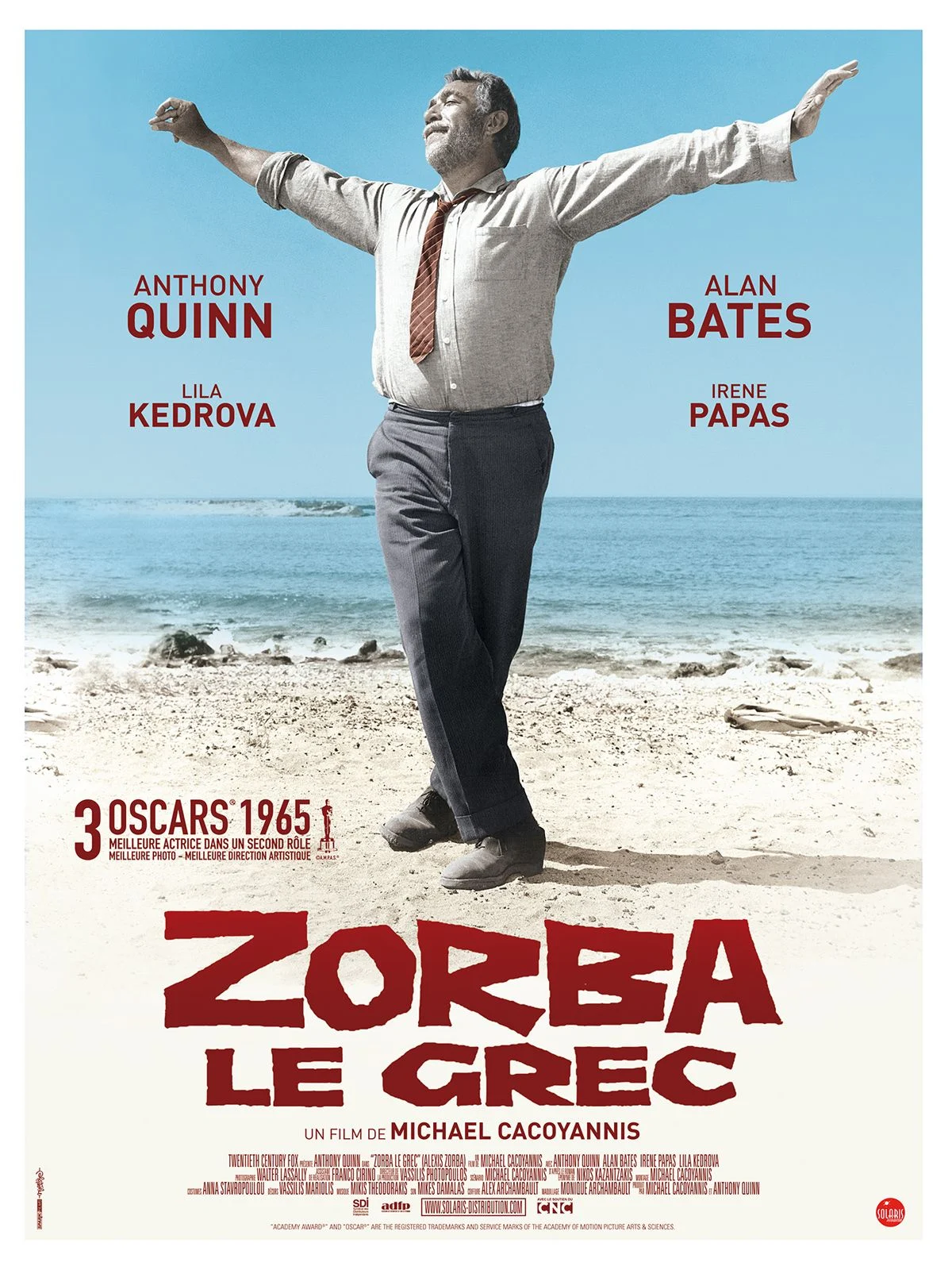
A Legacy That Lives On
Kazantzakis died in 1957, far from Crete, but his spirit returned. Today, he is buried atop the walls of Heraklion, facing the mountains and sea. His epitaph, carved into stone, reads:
“I hope for nothing. I fear nothing. I am free.”
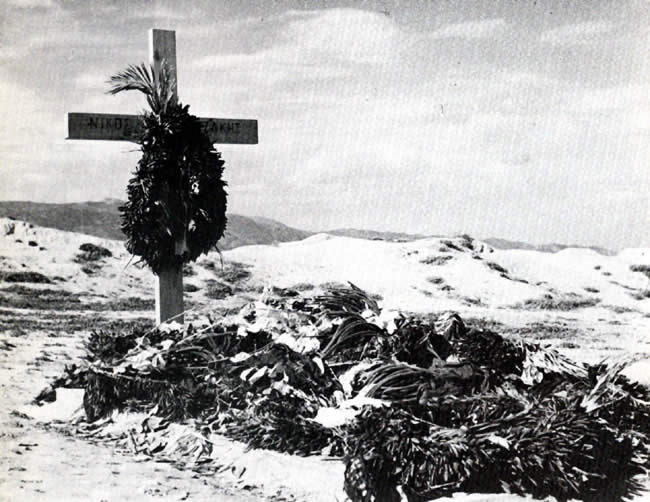
More Than a Dance
Zorba’s final dance on the shores of Crete is more than a cinematic moment — it is a philosophy. A celebration of joy in despair, of freedom in the face of fate.
Nikos Kazantzakis didn’t just teach us how to think.
He taught us how to live.

Crete is famous for its safety, hospitality, and cultural heritage. Being the largest island in Greece…

Vincenzo Cornaros’ timeless epic still echoes through the verses, voices, and hearts of Crete.

When love strikes in Crete, it grows wild on the cliffs.