Erontas: The Cretan Herb of Love, Legend, and Healing
When love strikes in Crete, it grows wild on the cliffs.
Erontas — more widely known as Dittany of Crete (Origanum dictamnus L.) — is no ordinary herb. Revered since ancient times for its medicinal power and legendary status, it once inspired Cretan men to risk their lives gathering it from sheer mountainsides to prove their love.
This aromatic, silver-leafed plant, native only to Crete, has been called everything from a panacea (all-healer) to a sacred love charm. Its story is one of myth, healing, romance, and resilience — woven into the soul of Cretan identity.
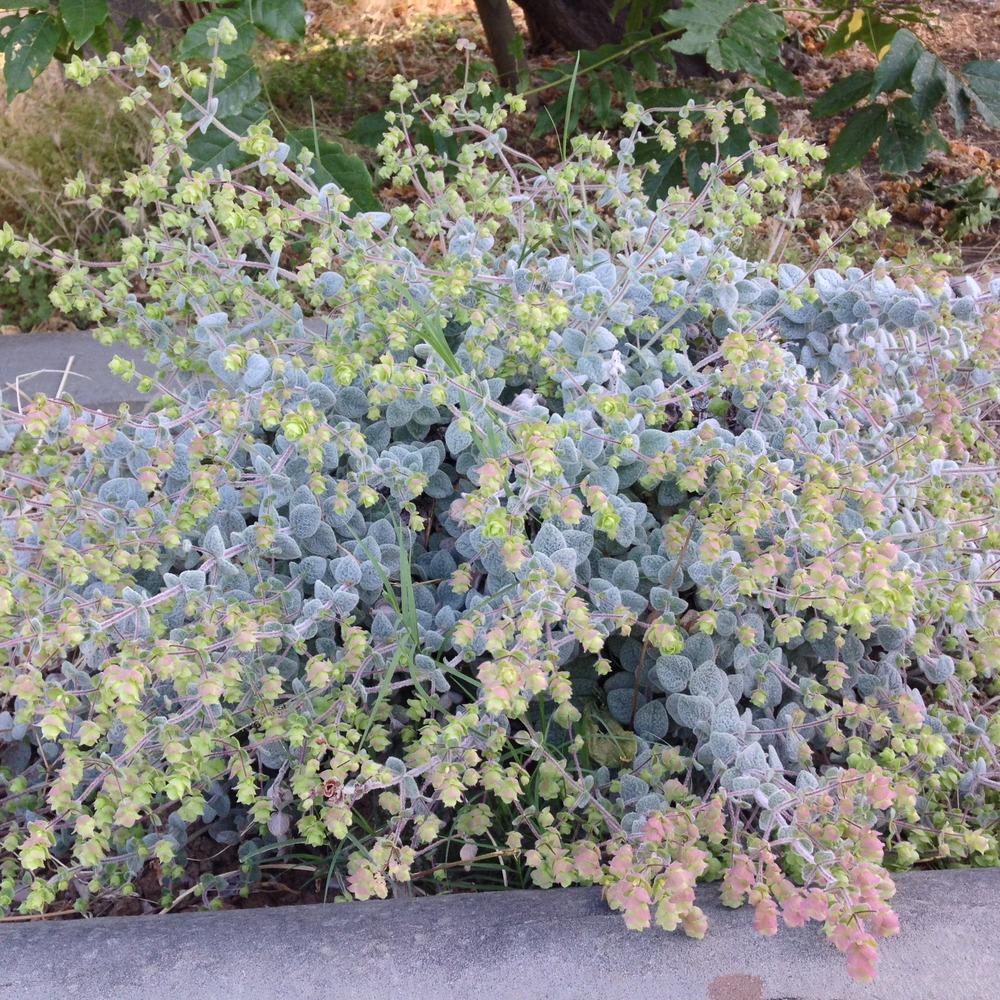
From Eros to Erontas: A Herb Born of Love and Myth
The name Erontas derives from Eros, the Greek god of love — and for good reason. According to legend, if a man offered this herb to a woman, it was a declaration of unwavering devotion. To harvest it was no easy task: Dittany clings only to the steepest rocks and most perilous slopes of the White Mountains and Psiloritis.
Other names reflect its mythical aura:
- Diktamos: tied to Diktynna, a Cretan goddess believed to have emerged from fishing nets near Cape Spatha, often depicted holding the herb.
- Gerontas (“Old man”): referring to the white, beard-like hairs that cover its leaves.
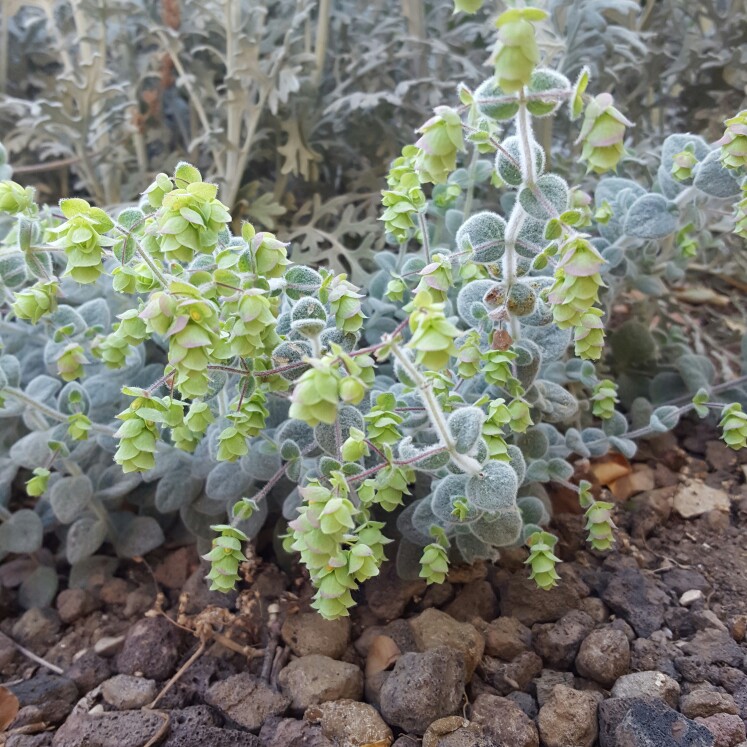
A Timeless Healer from Minoan Palaces to Modern Labs
Dittany of Crete has been used as a natural medicine for over 3,000 years. Homer mentioned it in the Iliad as a remedy for battle wounds. Hippocrates prescribed it for digestive issues. Aristotle praised it as a healing agent for internal ailments.
Today, researchers from the University of Crete and the University of Sydney continue to investigate its chemical properties and healing potential.
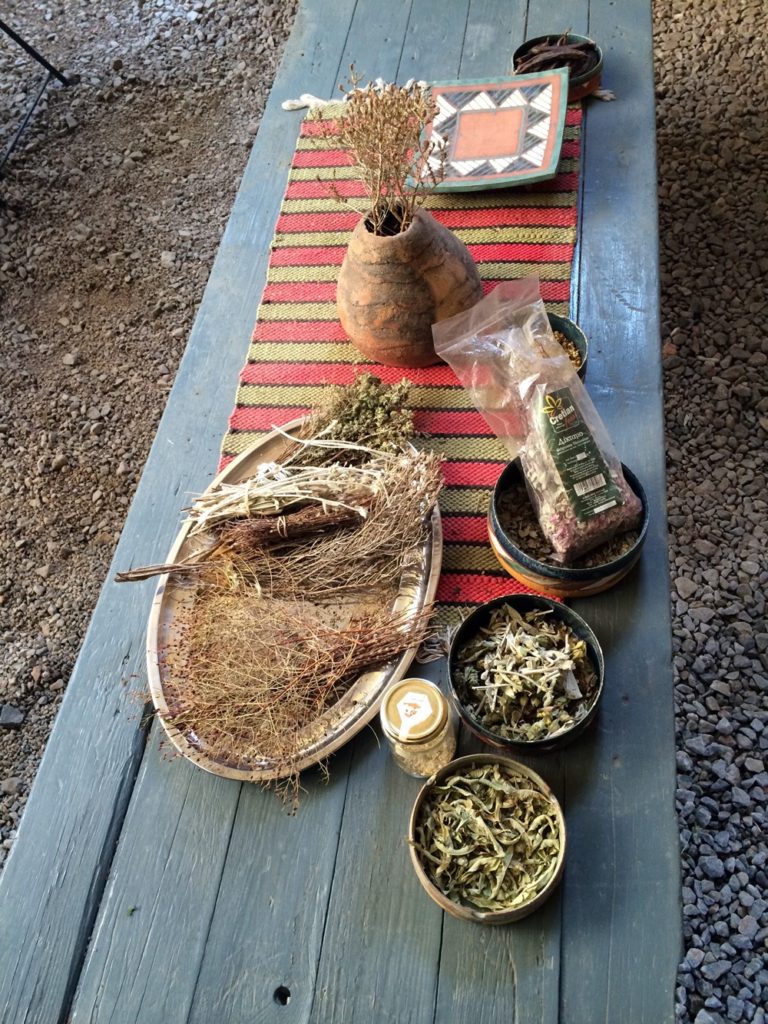
Documented Benefits of Erontas:
- Antioxidant, antimicrobial, and antiseptic properties
- Relief for stomach ulcers and digestive issues
- Anti-rheumatic, calming, and sleep-enhancing effects
- Support for wound healing, respiratory health, and oral infections
- Known aphrodisiac and natural aid during childbirth
Dittany in Cretan History and Culture
Beyond medicine, Dittany was cherished by Cretans across centuries:
- Used in Minoan perfumery and sealed in ceramic amphorae at Knossos
- Included in medieval monastic tonics and elixirs
- A key flavoring in Benedictine liqueurs and vermouths
- Today enjoyed primarily as a tea, often paired with Cretan thyme honey
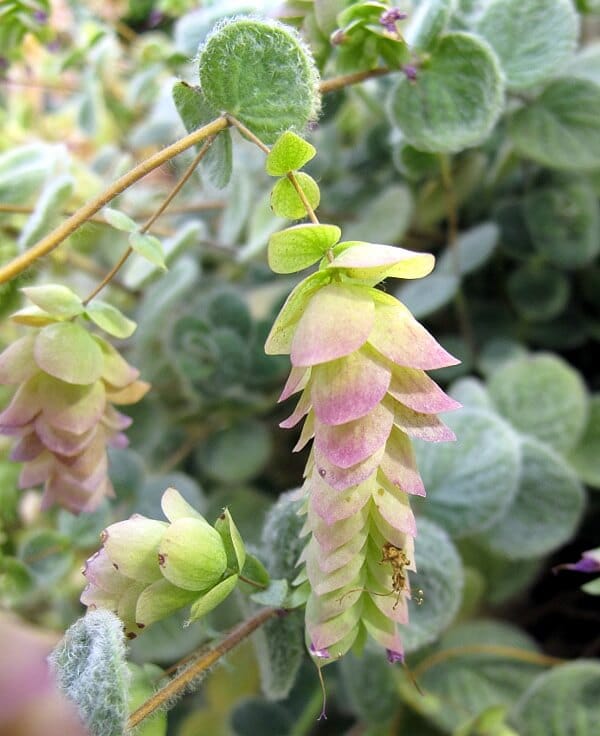
From Protected Plant to Cultivated Treasure
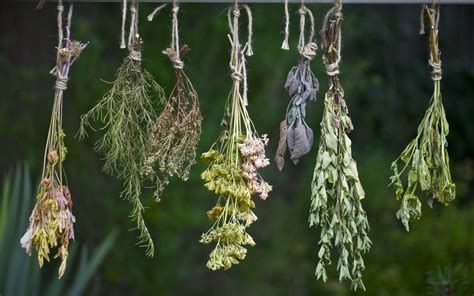
Due to past overharvesting, Dittany is now a protected species — especially in areas like the Samaria Gorge, where it grows wild. Fortunately, sustainable cultivation methods allow this healing plant to reach a global audience through herbal shops and specialty producers in Crete.
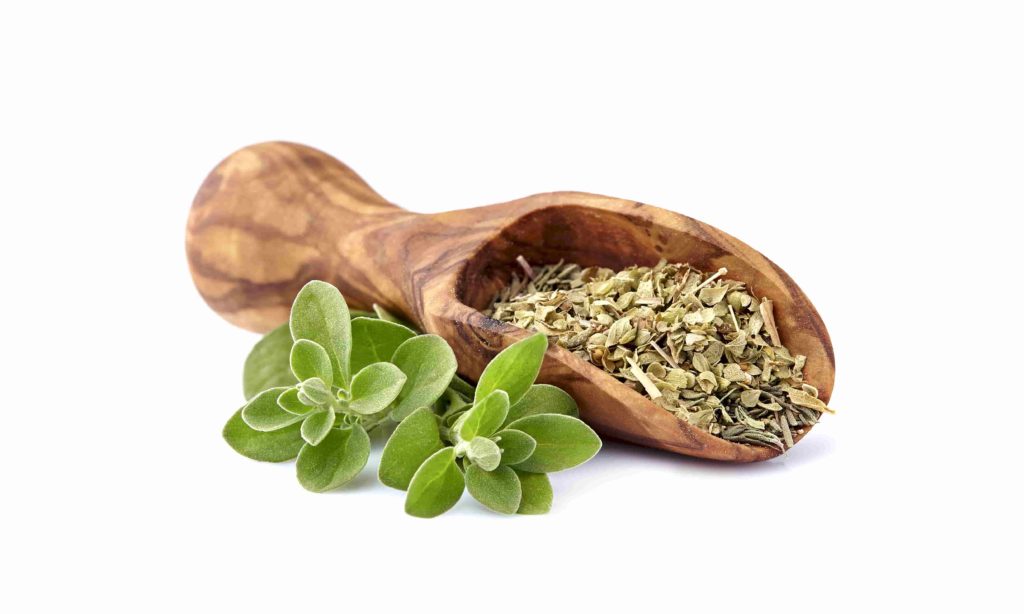
You don’t need to dangle off a cliff to access its magic anymore — just steep a few dried leaves, breathe in the aroma, and sip centuries of Cretan tradition.
Why Erontas Still Matters
In an age of pharmaceuticals and synthetic solutions, Dittany remains a powerful symbol of what nature, love, and mythology can offer. Whether you seek its healing qualities or simply its story, Erontas is a reminder that Crete’s greatest treasures are often found in the most daring, sacred places — between myth and medicine, cliffs and hearts.

A Glimpse into Crete’s Cultural Core
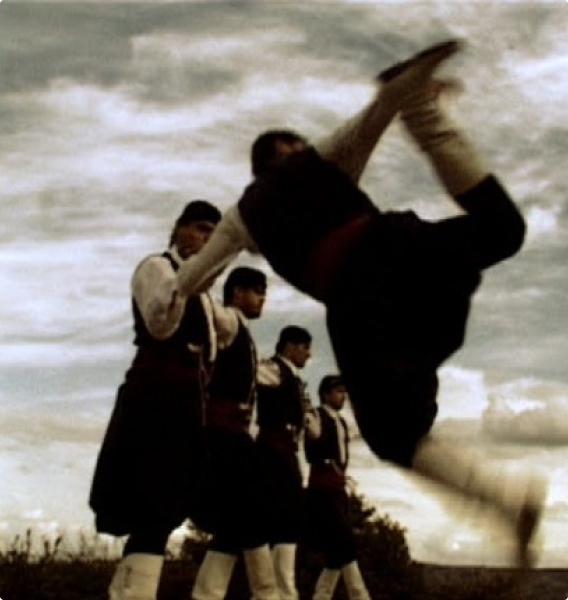
A dance full of coded messages. In 1769, when Crete was held under the iron grip of the Ottoman Empire…

A Tower With a Dark Past Tucked away in the peaceful village of Embrosneros…