Grabbing the Bull by the Horns: The Fearless Spirit of Crete
From Ancient Bull-Leaping Rituals to Modern Acts of Courage
There’s something about the people of Crete that’s hard to explain — a defiant spark, a deep-rooted courage that rises from the island’s wild terrain and mythic past. On this mountainous landmass between Europe and Africa, bravery isn’t optional — it’s ancestral.
From ancient rites to modern everyday heroics, the Cretan soul has always embodied fearlessness. And nowhere is this spirit more vividly captured than in one of the oldest rituals known to humankind: Taurokathapsia, or Minoan bull-leaping.
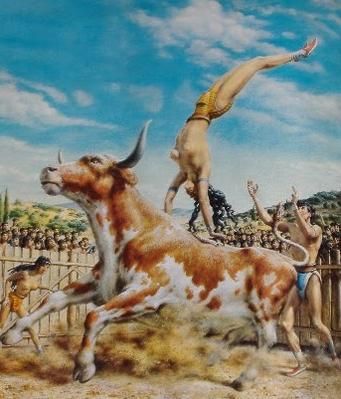
Taurokathapsia: The Ritual of Daring and Devotion
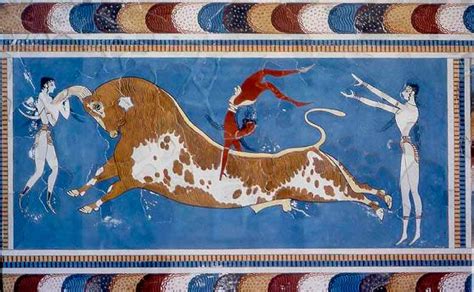
More than 4,000 years ago, during the height of the Minoan civilization (ca. 1900–1450 BC), the Palace of Knossos — Crete’s most iconic archaeological site — was the cultural and spiritual heart of the island. There, Sir Arthur Evans discovered the now-famous frescoes of leaping figures vaulting over charging bulls.
This wasn’t a myth. It was a real and awe-inspiring tradition, believed to be part sport, part sacred initiation. Young Cretans would run toward bulls, seize their horns, somersault over their backs, and land behind them — not to kill, but to prove strength, agility, and bravery. The bull, far from being slaughtered, was revered as sacred.
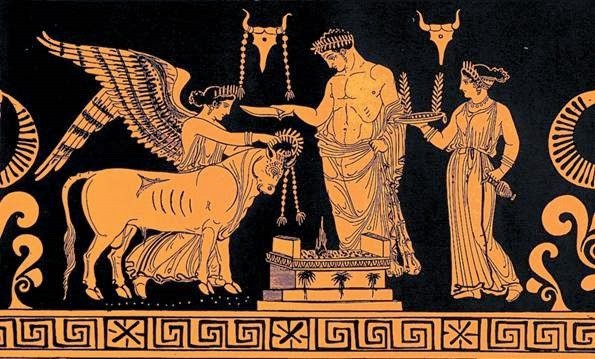
A Rite of Passage
Scholars believe bull-leaping symbolized the transition from youth to adulthood, a test of physical and spiritual mettle. Those who succeeded gained honor. Those who didn’t? History is silent — but the risk alone speaks volumes about the values of ancient Crete.
The Legacy of Fearlessness in Cretan Culture
The Cretan way of life has never shied away from danger. With over two-thirds of the island covered in mountains, survival has always required boldness. From resisting foreign rule to navigating gorges and cliffs, bravery became a daily act — and an inherited trait.
Even today, echoes of Taurokathapsia remain in local culture.
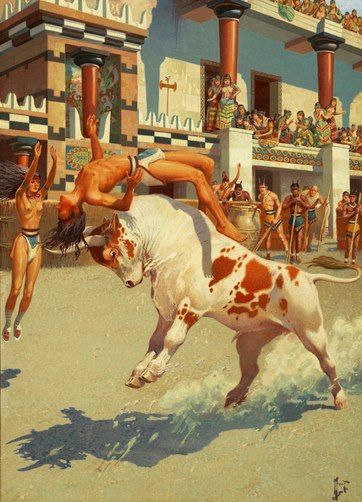
A Childhood Memory: Courage in Action
As a child, I once saw a man calmly walking beside an enormous bull in my grandmother’s village. The street fell silent. When the bull hesitated, the man — without fear — grasped its horns and nudged it forward. That image has stayed with me ever since.
In that moment, I understood what those frescoes meant. It wasn’t about showing off. It was about meeting fear with grace.
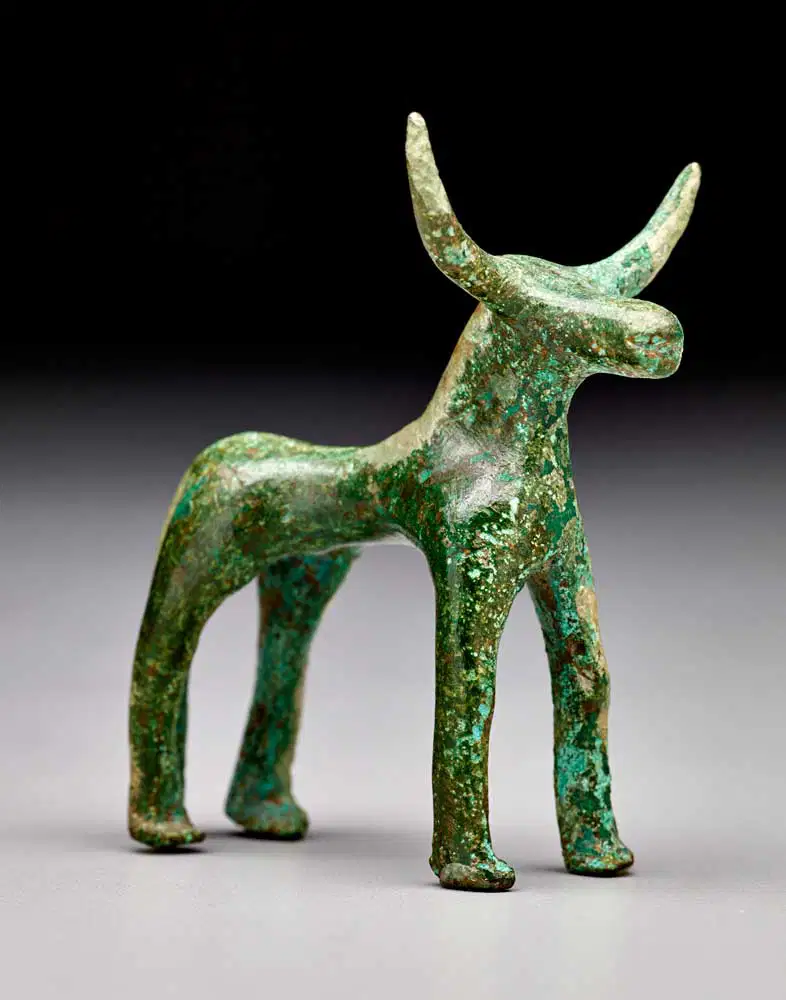
What “Grabbing the Bull by the Horns” Means in Crete
To the world, the phrase is a metaphor. In Crete, it’s a philosophy. It’s how we build homes on cliffs, how we dive into deep sea waters, how we defend our traditions, and how we celebrate life with dancing, laughter, and music — no matter the hardship.
This is not recklessness. It’s reverence. For nature. For life. For legacy.
Visit Crete and Witness the Spirit Yourself
Crete’s fearless heart beats not only in its ancient ruins but in its people, its dances, and its rugged trails. Whether you explore Knossos Palace, hike through Samaria Gorge, or witness a local festival where men and women dance with fiery intensity — you’ll feel the pulse of a culture that’s never backed down from a challenge.

When Venice was a European powerhouse and ruled supreme during the 13th century..

When I was a child, flipping through an old art book, I stopped cold at one image: the eyes of Christ…

I have a confession to make. There are some Cretan recipes that make me weep. Especially if they are executed with love…