The Kalisperides or Hainides: Crete’s First Resistance Fighters
The Kalisperides or Hainides: Crete’s First Resistance Fighters
When Justice Descended from the Mountains
Imagine living a peaceful, self-sufficient life on your island — with year-round sunshine, fertile land, and a sea rich in fish. Now imagine all of that vanishing under the boot of invading forces.
In 1645, as war raged between the Venetians and the incoming Ottoman Empire, the people of Crete found themselves unarmed and unprotected. Their supposed Venetian allies had forbidden them to carry weapons, fearing the Cretans might rise against them too.
Then came the Ottomans, bringing with them a new era of brutality. Heavy taxation, the abduction of boys for the Janissary corps, and the trafficking of girls into harems stripped families not only of their resources but of their dignity and hope.
Outlaws or Heroes? The Rise of the Hainides
When resistance seemed futile, a few brave men took to the mountains. Known as the Hainides (Χαΐνηδες), a word derived from the Arabic “hain” meaning traitor or outlaw, these Cretans became the first symbols of organized defiance.
To the Ottomans, they were criminals. But to the people of Crete, they were “Kalisperides” — the good-evening men who came down from the hills at dusk to greet the villagers and deliver justice in the night.
Living Like Shadows, Fighting Like Lions
The Hainides lived in hiding — in caves, forests, ravines, and even hollow trees. Armed with courage and unmatched knowledge of the land, they struck from the shadows, defending the oppressed and avenging the wronged.
Despite being hunted, they were protected by villagers, who risked their own lives to feed, shelter, or warn them of danger. The price of being caught helping a Hainis? Often death.
The Story of Dr. Demetrios Logios
One of the most legendary among them was Dr. Demetrios Logios from Heraklion. A physician by day and sharpshooter by night, he became a symbol of brilliance and resistance. Fatally wounded after being betrayed, he was so feared that Ottoman soldiers refused to approach him, even as he lay dying — his aim was just that precise.

Terror Tactics: The Chigel
To quash the uprising, the Ottomans devised a gruesome method of execution known as the Chigel: victims were dropped onto a hook, their bodies torn apart, often while still alive. It was meant to terrorize, to break the Cretan will. But it didn’t.
Legacy of the Hainides
Though many were killed, the Hainides lived on in Cretan memory as the founding fathers of resistance. Their spirit sparked future revolts, from Daskaloyiannis’ rebellion in the 18th century to the freedom fighters of WWII.
Today, their courage echoes in every mountain trail, every village song, and every whispered “kalispera” at dusk.
They remind us that freedom is never given. It is earned — through blood, bravery, and the refusal to submit.

A Cretan Mantra for the World
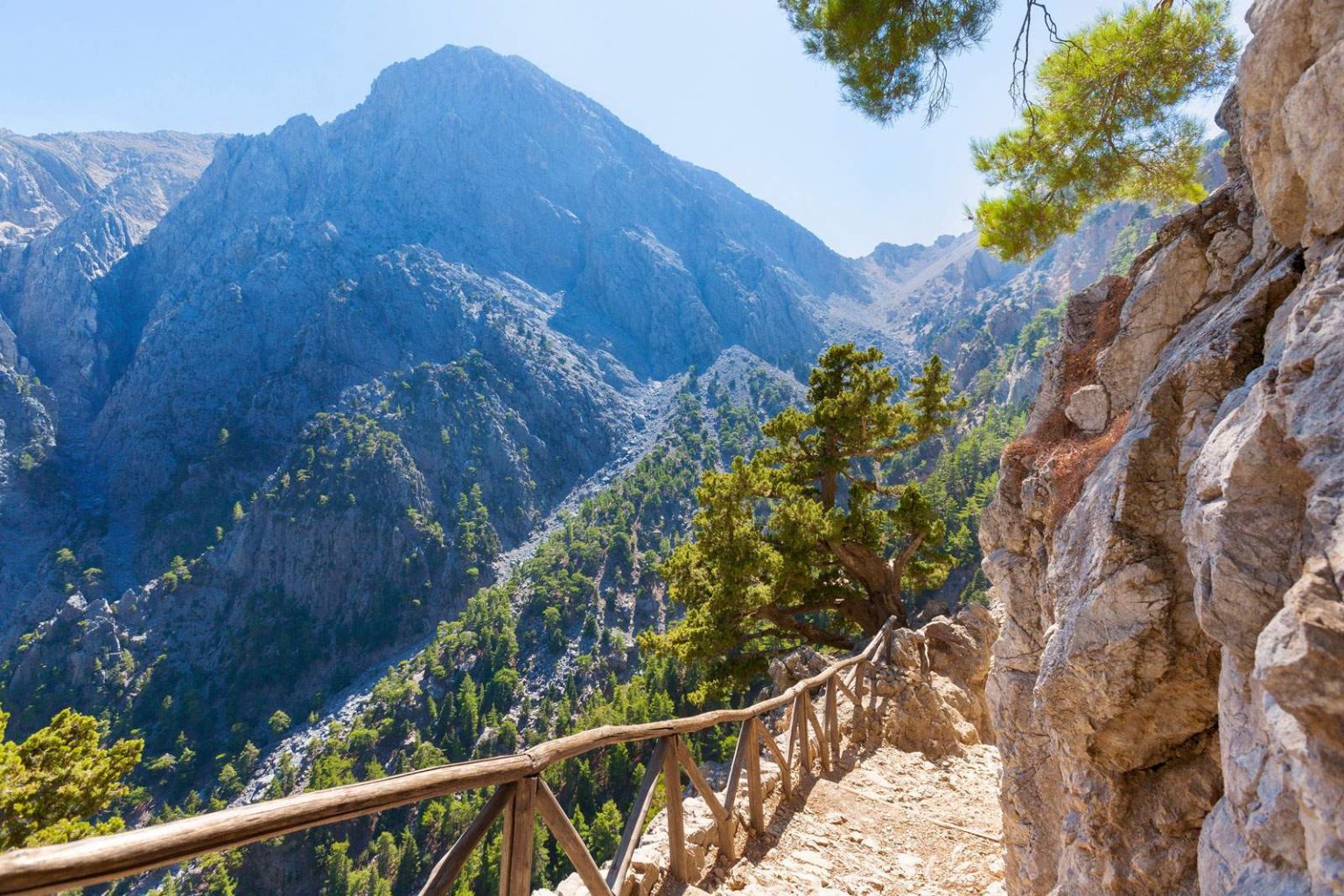
There’s a place in southern Crete where nature’s scale is so immense, it feels almost sacred…
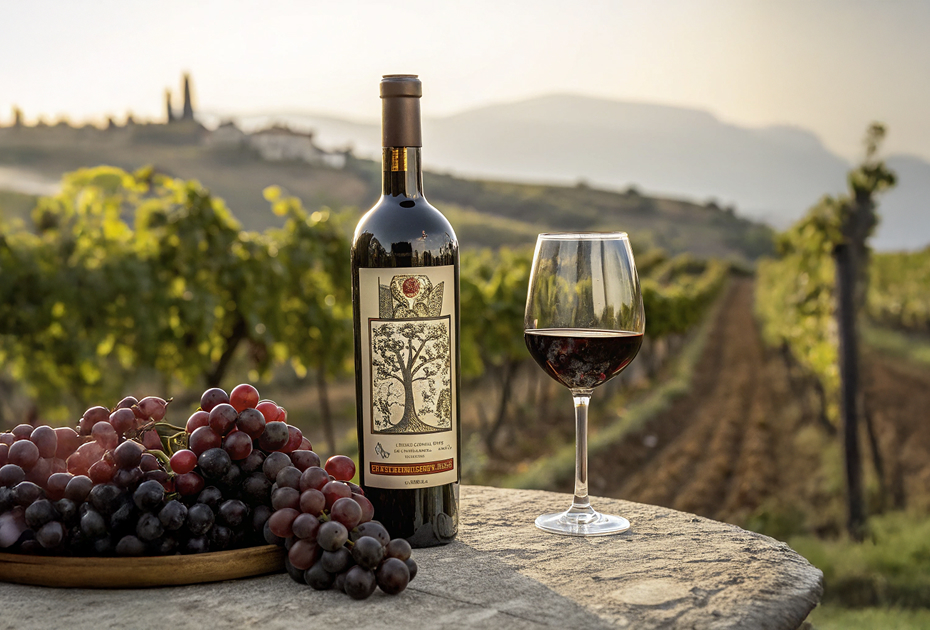
On the foot hills of The White Mountains in the prefecture of Chania, the gorge of Sarakina in the village of Meskla is a little place of wonder waiting to be admired by those who seek to see nature at its best and off the beaten track…